How AI Technology Can Help You Build a Textile Export Business
Learn how AI can help Pakistani textile exporters find buyers, improve pricing, manage compliance, forecast demand, and scale global sales with TEP and AI employees.
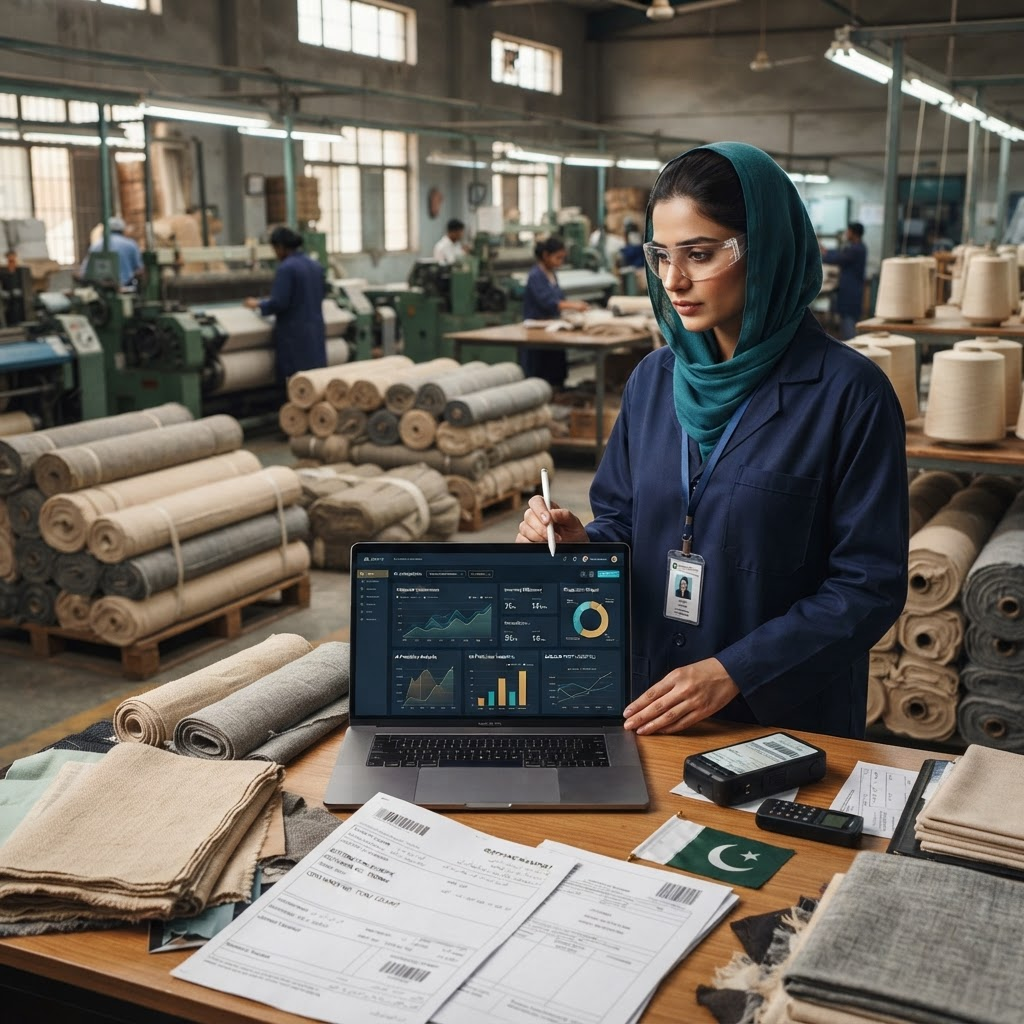
How AI Technology Can Help You Build a Textile Export Business
Building a successful textile export business requires more than producing quality cotton yarn, fabric, towels, garments, or home textiles. Exporters also need to identify the right buyers, respond quickly to inquiries, price products accurately, manage compliance documents, and keep every shipment moving.
Artificial intelligence can help Pakistani textile exporters turn these challenges into a repeatable growth system. Used correctly, AI does not replace textile expertise. It gives exporters better information, faster workflows, and more time to build trusted international buyer relationships.
Textile Exporters Pakistan (TEP) brings this opportunity closer to exporters through its digital trade network and AI employees. TEP can help textile businesses become more discoverable, understand buyer requirements, and use specialized AI support across marketing, sales, research, costing, logistics, and customer service.
How can AI help a textile export business?
AI can help a textile export business find qualified buyers, create export-ready product information, improve quotations, automate repetitive communication, forecast demand, organize documents, and reduce operational delays. The best results come when AI is connected to accurate product data, clear business processes, and experienced human decision-makers.
1. Use AI to find international textile buyers
Finding buyers is one of the biggest challenges for a new textile exporter. Generic outreach can waste time because a buyer for cotton towels has different needs from a denim importer, hotel-supply distributor, or private-label fashion brand.
An AI buyer-finding workflow can help you:
TEP's **AI Buyer Finder** is designed to support this type of market discovery. It helps exporters move from a broad list of prospects to a more focused pipeline of relevant textile buyers.
2. Build a stronger export marketing system
International buyers need to understand what you make, who you serve, and why they should trust your factory. AI can help turn your production capabilities into clear, search-friendly, buyer-focused content.
An AI marketing workflow can create and improve:
TEP's **AI Marketing Manager** can help exporters communicate their strengths consistently across digital channels. This is especially valuable for small and medium-sized textile businesses that have excellent products but limited marketing resources.
3. Improve textile product costing and export pricing
Incorrect pricing can eliminate your margin or make your quotation uncompetitive. Textile export pricing may include cotton or yarn costs, spinning, weaving, dyeing, finishing, stitching, packaging, testing, inland transport, port charges, freight, finance costs, and currency risk.
AI can help organize and compare these variables. A costing workflow can:
TEP's **Product Costing Agent** helps exporters make more informed pricing decisions. It should support—not replace—your finance team, production manager, and final commercial approval.
4. Respond faster with AI sales and customer support
A buyer may contact several exporters at the same time. Slow or incomplete replies can mean losing an order before your team has a chance to present a sample.
AI sales and support tools can help you answer common questions about:
TEP's **AI Sales Associate** can help organize leads and sales conversations, while the **AI Customer Support** employee can help provide timely answers and route complex questions to the right person. This gives exporters a more professional buyer experience without requiring a large sales department.
5. Make textile export logistics more predictable
Late shipments, poor container utilization, and missing documents can damage buyer trust. AI can support logistics teams by organizing shipment information and highlighting potential problems earlier.
Useful logistics applications include:
TEP's **AI Logistics Coordinator** can help manage shipment planning, and the **AI Container Load Planner** can support better use of container space. These tools are valuable for exporters shipping cotton products, home textiles, garments, and mixed product orders.
6. Use AI to understand export markets and demand
Textile exporters need to know which products are in demand, which markets offer a good fit, and how competitors position themselves. AI can help analyze market signals from buyer inquiries, product searches, historical sales, and business data.
An AI business analysis workflow can help answer questions such as:
TEP's **AI Business Analyst** can help turn business data into practical decisions for exporters, manufacturers, and textile trading companies.
7. Improve production planning and merchandising
AI can also support the factory and product-development side of an export business. Better planning helps exporters provide realistic delivery dates and reduce production surprises.
TEP's **AI Production Manager** can help organize production schedules, resources, quality checks, and manufacturing priorities. The **AI Merchandiser** can support product assortment planning, inventory visibility, trend analysis, and coordination between buyer requirements and factory execution.
For cotton textile businesses, this can mean better control over yarn availability, fabric production, color approvals, sampling, finishing, and order readiness.
8. Build a knowledge base for your AI employees
AI works best when it understands your business. A textile exporter can create a secure, structured knowledge base containing:
TEP's **Datasets for your Agent's Knowledge Base** solution helps businesses organize the information their AI employees need. Accurate knowledge reduces generic answers and helps AI produce more useful, company-specific outputs.
How do I start using AI for textile exports?
Start with one commercial bottleneck rather than trying to automate everything at once. A practical first plan is:
1. **Document your products:** Prepare accurate specifications, images, capacities, MOQs, certifications, and lead times.
2. **Choose one growth goal:** For example, find buyers in the EU for cotton towels or improve export quotations.
3. **Connect your knowledge:** Give the relevant AI employee approved business information.
4. **Create a repeatable workflow:** Define how a lead, inquiry, quotation, sample, and order move through your team.
5. **Keep human approval:** Review pricing, compliance claims, contracts, and final buyer commitments before sending.
6. **Measure results:** Track qualified leads, response time, quotation accuracy, samples sent, conversion rate, and repeat orders.
Why use TEP for AI-powered textile export growth?
TEP combines textile industry context, exporter discovery, product visibility, and specialized AI employees in one ecosystem. Instead of using disconnected generic tools, exporters can build workflows around the real needs of textile businesses: sourcing, cotton products, manufacturing, buyer matching, costing, logistics, merchandising, and customer support.
TEP can help your business become easier to discover by international buyers while its AI employees help your team work faster after an inquiry arrives. The result is a more connected path from product capability to qualified buyer to repeat export order.
Frequently asked questions about AI and textile exports
Can AI help a small textile exporter find international buyers?
Yes. AI can help a small textile exporter research buyer segments, match products to potential importers, personalize outreach, organize follow-ups, and create professional export content. A focused directory and market network such as TEP can improve the quality of the buyer discovery process.
Which AI tools are most useful for textile exporters?
The most useful AI tools usually support buyer discovery, sales, marketing, product costing, customer support, logistics, production planning, merchandising, and business analysis. TEP provides specialized AI employees for these export workflows.
Can AI replace a textile export sales team?
AI should support, not replace, textile export professionals. It can handle research, drafts, sorting, reminders, and analysis, while people make final decisions about quality, pricing, compliance, negotiations, and buyer relationships.
How can AI improve textile export pricing?
AI can organize material, labor, processing, packaging, freight, currency, and margin inputs into a clearer costing model. This helps exporters identify missing costs, compare scenarios, and prepare more consistent quotations.
Is AI useful for Pakistani textile manufacturers?
Yes. Pakistani textile manufacturers can use AI to promote cotton products, reach international buyers, improve inquiry response times, manage export documentation, optimize production, and make better decisions using business data.
Final takeaway
AI technology can help you build a stronger textile export business by connecting product knowledge with buyer discovery, marketing, sales, costing, logistics, and analysis. With TEP and its AI employees—including AI Buyer Finder, AI Marketing Manager, Product Costing Agent, AI Logistics Coordinator, AI Customer Support, and AI Business Analyst—Pakistani textile exporters can create a faster, more visible, and more scalable route to global markets.
Related Articles
Why Pakistan's Textile Products Are Unbeatable: The Cotton Advantage
Discover why Pakistan is a global textile manufacturing hub, from premium cotton and integrated supply chains to competitive pricing, skilled craftsmanship, and reliable export capability.
How to Export Textiles from Pakistan: Complete Compliance & Logistics Guide
Master the complete export process from Pakistan with regulatory requirements, documentation, certifications, logistics, and best practices for textile exporters entering international markets.
How to Find Verified Textile Exporters in Pakistan (2026 Buyer's Guide)
A comprehensive guide to sourcing verified textile exporters in Pakistan, covering industry hubs, what to check, product categories, and how to ensure a safe sourcing process.